


Selling a home is one of the biggest financial decisions in life. When the pricing is right, the presentation materials are in order, and the process is clear, the sale can be successful both quickly and at a good price. This guide will go through a practical approach to how the sale of a home progresses and what you should do even before the first announcement.
1) Before the sale: set goals and a schedule
Start by determining three things:
- Target price: what is the minimum price and what is a realistic selling price?
- Schedule: do you sell quickly or wait for the best possible offer?
- Selling method: do you sell yourself or through an agent?
Once these are clear, it will be easier to make decisions without unnecessary adjustments later.
2) Apartment pricing – the most common reason for success or failure
The right price determines interest. A price that is too high can reduce impressions and extend the selling time. A price that is too low can leave money on the table.
Pricing is helped by:
- actual sale prices in the area
- condition and renovation history of the housing company
- floor plan and square footage efficiency
- floor, views, balcony, elevator, parking space
- energy efficiency and living costs
Tip: If the ad does not attract any contacts during the first 7–14 days, it is worth quickly re-evaluating the price and presentation.
3) Making the ad marketable: small actions have a big impact
Often the best sales are made when the buyer sees themselves living in the apartment. This is why “marketable condition” does not mean complete renovation, but clarity and comfort.
The easiest improvements: * thorough cleaning and tidying up (including the storage room and balcony) * fixing burnt-out lamps, sagging moldings, leaking taps * neutral textiles, less stuff on shelves * scents and ventilation: fresh, neutral overall look
If the budget allows, light styling (e.g. rugs, cushions, green plants) often pays for itself in better photos and a stronger first impression.
4) Photos and sales text – the most important part of the ad
Most buyers do their pre-qualification online. Therefore, the task of the photos and ad text is simple: to get the buyer to book a viewing.
Good photos:
- in daylight, straight lines (no crooked walls)
- at least one successful photo of each room
- kitchen and bathroom are especially important
- also the yard/exterior of the housing association, if that is your strength
It is good to use a professional photographer for photography, which will make the photos high-quality. Also remember to clean the apartment properly; piles of clothes, dirty dishes in the sink or a messy bathroom do not attract contacts.
A good sales text quickly answers the buyer's questions:
- what makes the apartment special?
- what has been renovated and when?
- what are the housing costs?
- what kind of housing association is it?
5) Mandatory documents – get them in order in time
When selling an apartment, papers are crucial for smoothness and trust. Typically required:
- property manager certificate
- articles of association
- energy certificate (in certain situations)
- maintenance needs report and information on renovations carried out
- information on fees and loan shares
- possible renovation/alteration work notifications
When the documents are in order before the sale begins, it is easier for the buyer to make a decision and the transaction progresses faster.
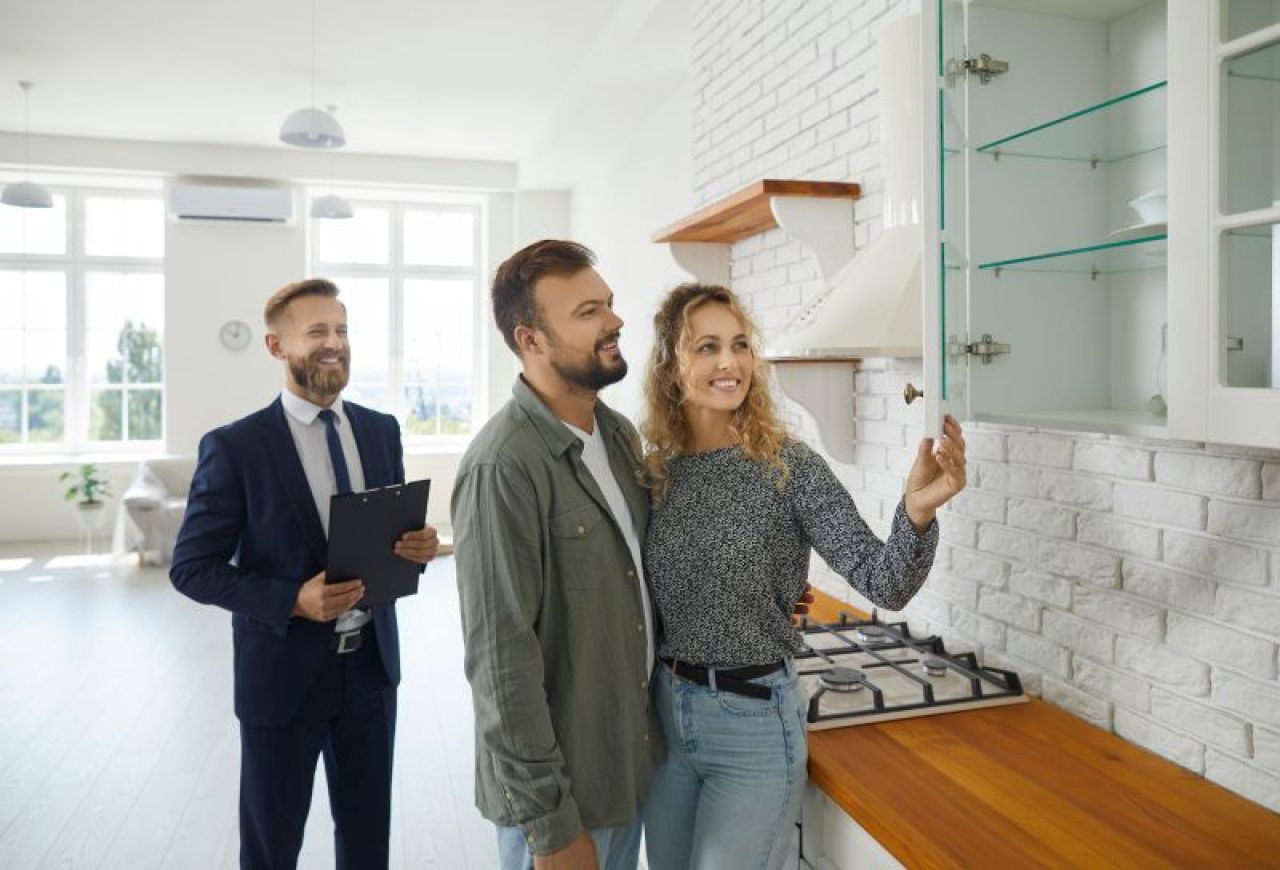
6) Display and first impression – this is how you succeed
On the display, the buyer makes a decision with emotion and justifies it with reason. Make this easy:
- clear the hallway and surfaces, add light
- keep the temperature comfortable and the air fresh
- leave room to move (also hide children's things and pet supplies)
- be prepared for questions: renovations, housing association plans, neighborhood, noise, parking
Tip: Many buyers value honesty. If there is a small minus in the apartment, tell it and emphasize how the matter has been taken into account or what could be done about it.
7) Offers and negotiations – don't just look at the price
It is worth evaluating the offer as a whole:
- financing security (loan promise)
- schedule (move-in and sale date)
- conditions (e.g. condition inspection, sale of your own apartment)
- movable property and possible additional agreements
If you receive several offers, keep the process clear: state the schedule, how you will respond and when the decision will be made. This increases trust and often also improves the final result. When considering whether to accept an offer, it is also worth considering your own expenses that will be incurred by the apartment while it is for sale: management and capital fees, personal loan costs, insurance, electricity, etc.
8) Use an agent or sell it yourself?
A real estate agent may be a good choice if:
- you want to outsource pricing, home showings, contacts, negotiations and paperwork
- your home is in a competitive market, a valuable property or a challenging property
- you don't have enough time to sell your home
- you want to sell your home with quality
- you want the best price for your home
Selling yourself can work if:
- you know the prices in the area and are ready to handle the presentations
- you have the time and confidence to negotiate
- you know how to invest in pictures and advertising
You can often achieve the best results by pricing the apartment correctly, marketing your apartment extensively with high-quality and professional pictures and texts, and making sure that all information about the apartment is available to buyers.
Do you want an estimate of the realistic selling price of your apartment and tips for selling it? Request a free price estimate.